
It is one of the first questions most homeowners ask, and rightly so. Solar panels are a significant investment, and knowing what you are likely to get back matters before you commit. The honest answer is that savings vary depending on your system size, how you use energy, and your tariff. But the figures are genuinely encouraging, and they have improved as electricity prices have risen.
Here is a straightforward breakdown of what UK homeowners can realistically expect.
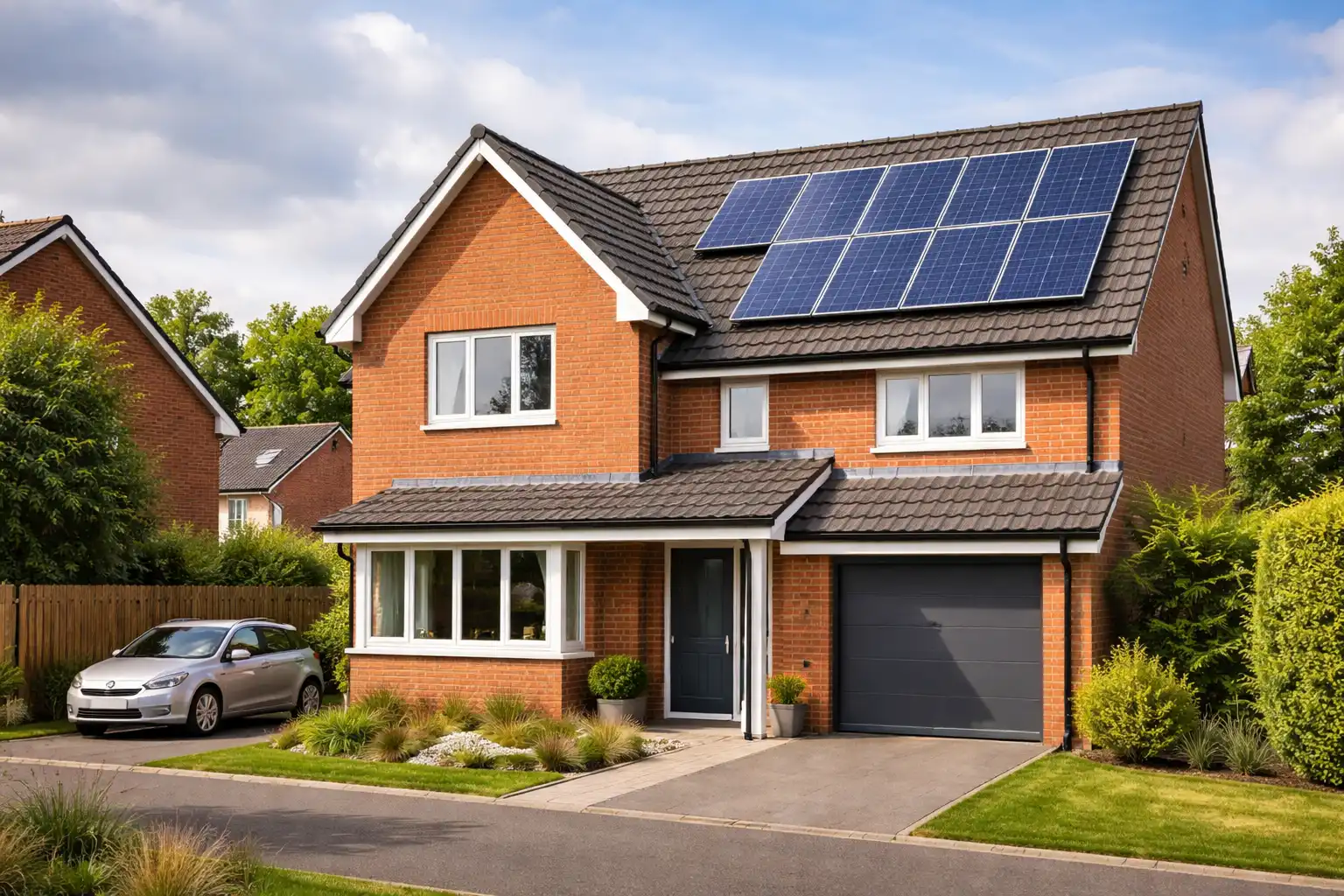
A 4kWp system, which is common for a three to four bedroom home, generates around 3,400 kWh of electricity per year in the UK. That is roughly equivalent to the annual electricity consumption of a typical household.
The key word is generates, not saves. How much of that generation actually reduces your bill depends on how much of it you use directly, known as your self-consumption rate.
Without battery storage, most households directly use between 30% and 50% of what their panels generate. The rest is exported to the grid via the Smart Export Guarantee (SEG).
At the current Ofgem unit rate of around 24.5p per kWh, a 4kWp system with 40% self-consumption saves you roughly £333 per year on your electricity bill. Add SEG export income on top, typically 5 to 15p per unit depending on your supplier, and total annual savings typically range from £400 to £650 for a well-positioned south-facing roof.
The UK Government’s Solar Roadmap estimates average household savings of around £500 per year, which aligns with those figures.
Adding battery storage changes the equation significantly. Instead of exporting surplus generation at a modest rate, you store it and use it in the evening when grid electricity costs more.
With a battery, self-consumption rates rise to between 60% and 80%. For a typical 4kWp system, that translates to annual savings of £500 to £700 on electricity bills alone. For households with higher consumption, home workers, electric vehicle owners, larger families, combined savings with a smart tariff such as Octopus Go can reach £900 to £1,300 per year.
A three-bedroom household with a 4.5kW system and battery storage could save around £943 per year, compared to £554 without a battery. Over the life of the system, that difference is substantial.
The SEG pays you for every unit of surplus electricity you export to the grid. Rates vary by supplier, with some offering as little as 4p per kWh and others up to 15p. It is worth shopping around for the best SEG tariff once your system is installed, as the difference between suppliers can add up over a year.
Several factors influence how much you actually save:
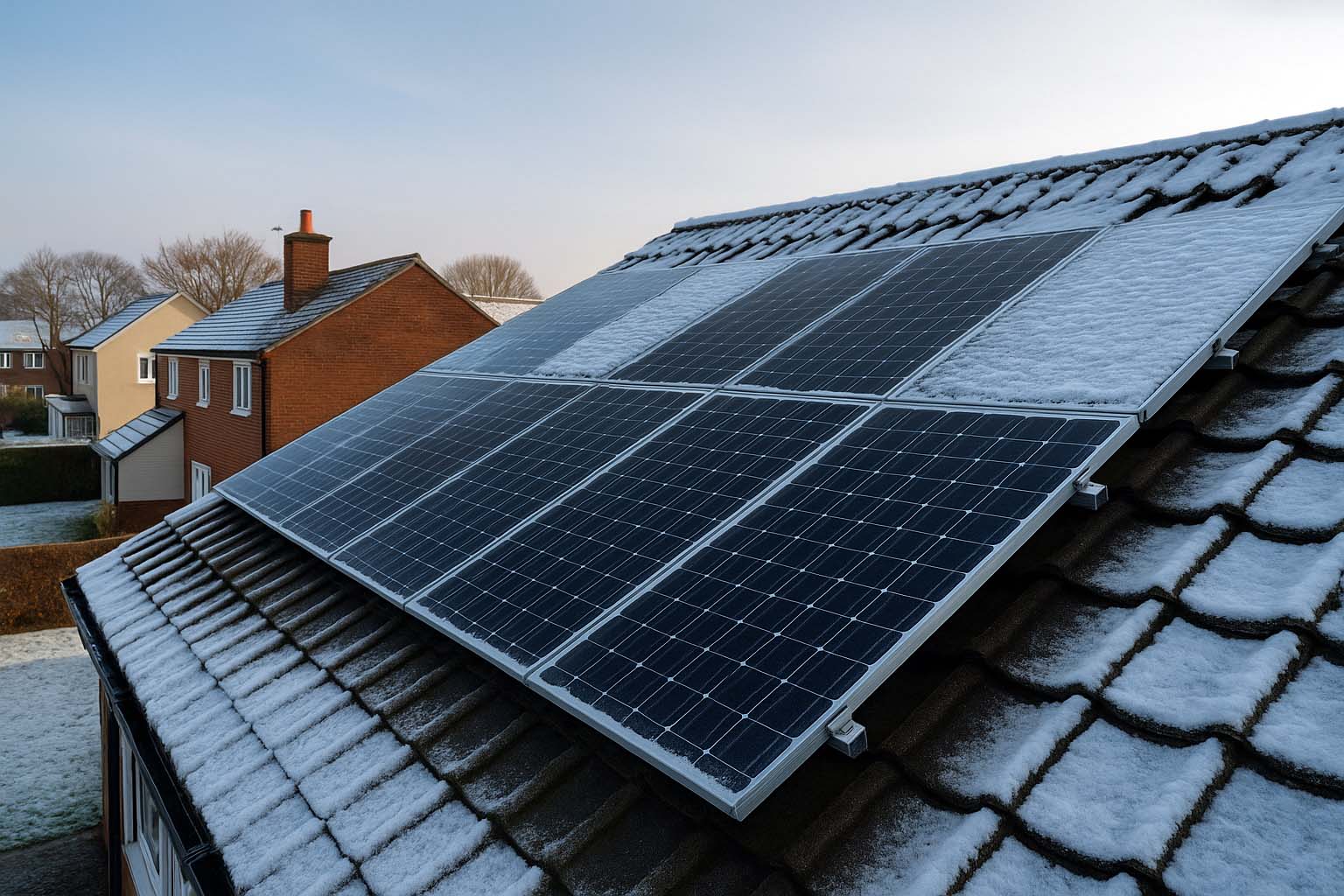
Roof orientation and pitch. South-facing roofs at 30 to 45 degrees produce the most electricity. East and west-facing roofs generate around 15 to 20% less but still deliver worthwhile savings. And while output is lower in winter, solar panels generate electricity year-round, not just in summer.
System size. A larger system generates more electricity but costs more to install. The right size depends on your roof space and your household energy consumption. Whether you opt for a standard on-roof system or an in-roof installation, the sizing principles are the same.
How you use energy. Households that use more electricity during daylight hours, home workers for example, naturally self-consume more and save more without needing a battery.
Your energy tariff. The higher your unit rate, the more valuable each kilowatt hour your panels generate becomes. At current rates, every 1,000 kWh of electricity you generate and use directly saves you around £245.
Battery storage. A battery significantly increases the proportion of your own generation you use, improving overall savings. Our home battery storage page covers how battery systems work and what to expect from an installation.
A typical 4kWp system reduces UK electricity bills by £300 to £500 per year without battery storage, or £500 to £700 per year with a battery. Based on typical installation costs, most homeowners reach payback within 7 to 12 years, with panels continuing to generate for 25 years or more.
That means the majority of a panel’s working life is spent generating essentially free electricity, while protecting you from whatever energy prices do in the years ahead.
With electricity unit rates remaining high and 0% VAT on solar panel installations in place until March 2027, the financial case for solar is as strong as it has been. The combination of reduced bills, SEG income, and long-term protection against price rises makes solar a sound investment for most homeowners with a suitable roof.
Thinking about solar for your home?
Oakpark Energy offers free, no-obligation surveys for homeowners across Buckinghamshire and the surrounding counties. Get in touch to find out what a system could save you.
Figures are based on UK industry averages and Ofgem Q2 2026 price cap data. Actual savings will vary depending on your property, system size and energy use.