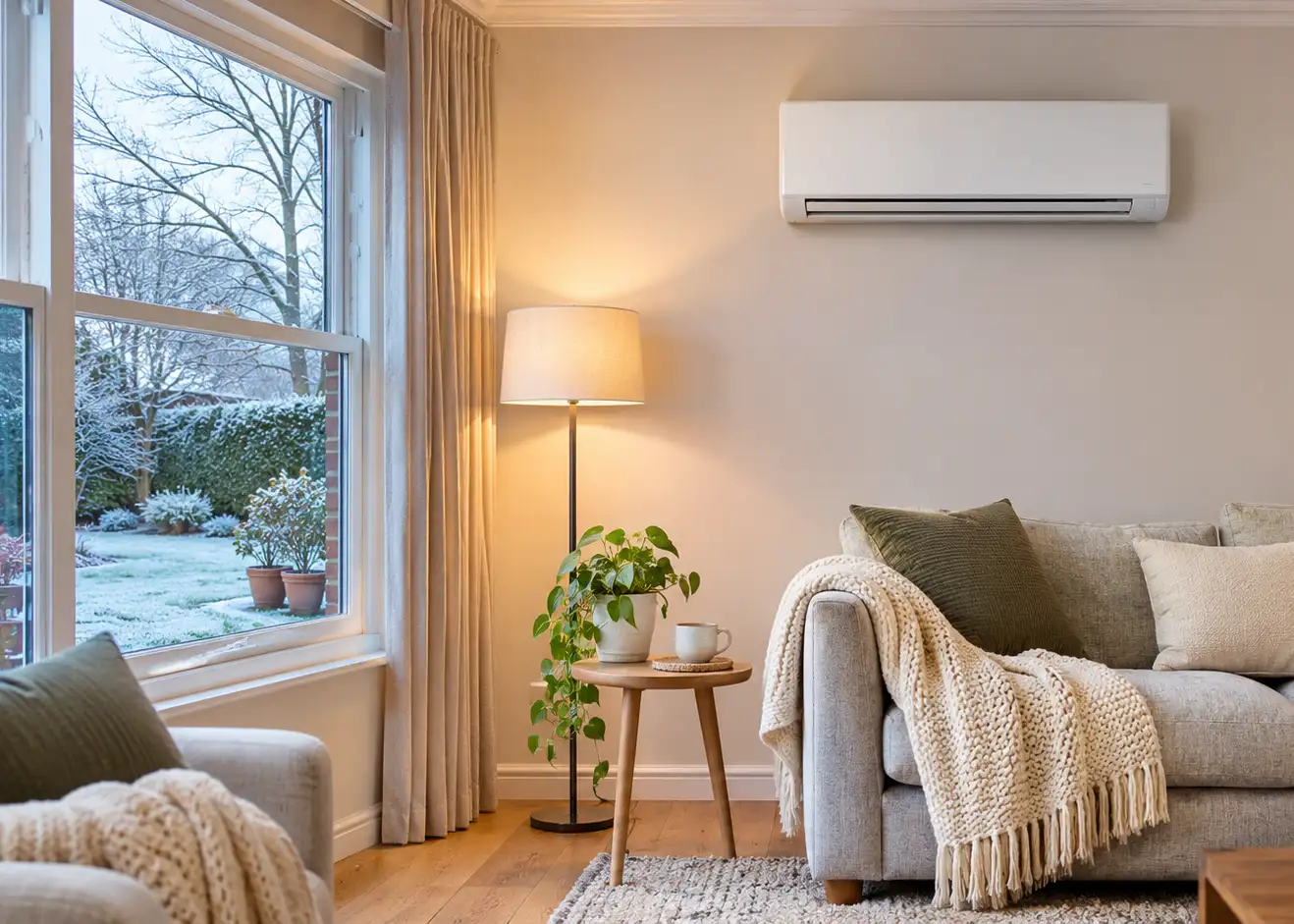
Most people think of air conditioning as something you only need for a few hot weeks in July. In reality, most modern systems heat just as well as they cool. Using air conditioning for heating can keep a room warm and comfortable through the winter, often for less than it costs to run electric heaters.
Here is how it works, where it makes sense, and what to consider before you install one.
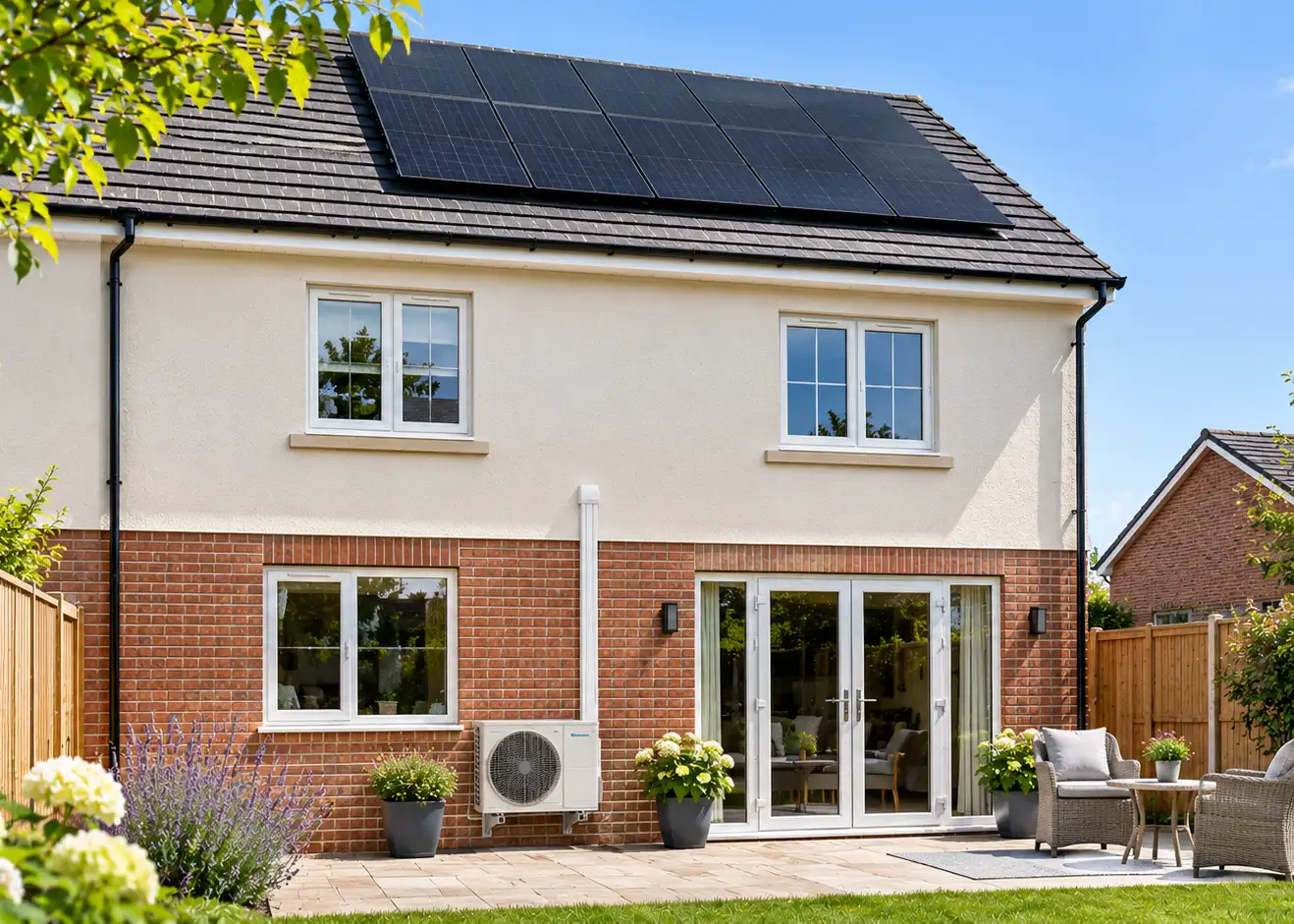
In summer, an air conditioning system takes heat from inside your room and moves it outside. In heating mode, it does the opposite. The outdoor unit draws heat from the outside air and the indoor unit releases it into the room.
This works even when it feels cold outside. There is still heat energy in the air at low temperatures, and the refrigerant in the system is designed to capture it. Systems that work this way are often called reverse cycle air conditioning or air to air heat pumps. They are the same technology.
Yes, and this is the main reason it is worth considering. A standard electric heater turns one unit of electricity into one unit of heat. An air conditioning system moves heat rather than creating it, so it can deliver several units of heat for every unit of electricity it uses.
Modern inverter systems add to this. Instead of switching fully on and off, they adjust their output to hold the room at a steady temperature. That means fewer energy spikes and a more even level of comfort.
The running costs of air conditioning for heating depend on the size of the system, how efficient it is, how you use it and your electricity tariff. We can give you a realistic picture for your home during a survey.
Modern systems are designed for UK winters. Heating output does drop as outside temperatures fall, so a correctly sized system matters. An undersized unit will struggle on the coldest days, while an oversized one wastes energy.
This is why we always survey the space first. Room size, insulation, windows and how the room is used all affect which system is right.
These are easy to confuse, so it helps to be clear about the difference.
If you want to replace your boiler entirely, an air source heat pump is usually the better route. If you want efficient heating and cooling in specific rooms, air conditioning is often the simpler and more affordable option.
Air conditioning is particularly useful in rooms that your main heating does not reach well, or that you want to control separately. Common examples include:
For businesses, one system that heats in winter and cools in summer keeps the workplace comfortable all year without separate heaters and fans.
If you already have solar panels, or are thinking about them, air conditioning is a good fit. Your system can use electricity your panels generate during the day, which offsets some of the running cost.
Solar generation is lower in winter, so this works best alongside battery storage. A battery lets you store solar power or charge on a cheaper off-peak tariff, then use that energy to run your heating when you need it.
Most people start thinking about air conditioning during the first heatwave of the year. By then, installers are busy and lead times are longer.
Installing now means you can start using air conditioning for heating straight away, and your system is ready to go before the warmer weather arrives.
Oakpark Energy installs single and multi-split air conditioning systems for homes and businesses across Buckinghamshire and the surrounding counties. Our engineers are REFCOM F-Gas certified, and we can also advise on how air conditioning works alongside solar and battery storage.
Find out more about our air conditioning installations or get in touch for a free consultation.